
How to Pair Sake With Japanese Small Plates
How to Pair Sake With Japanese Small Plates
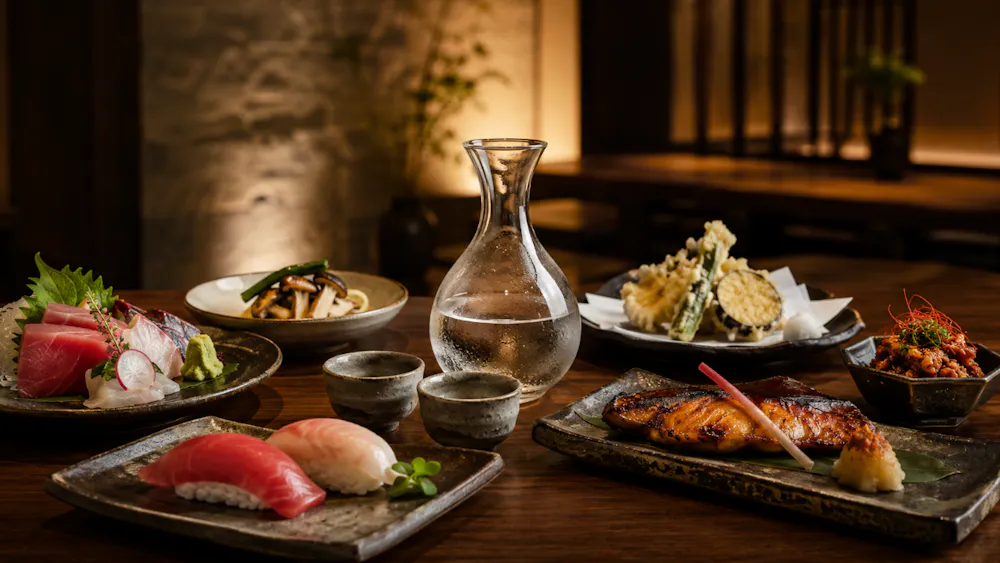
Sake and Japanese small plates work well together because both leave room for subtle flavors.
A light sashimi dish needs something different from grilled meat. Fried food changes the pairing again. Even sauces, spice, smoke, and salt matter.
That is where sake food pairing becomes useful.
At FORTU, pairing sake with food is less about following strict rules and more about creating balance. Some combinations feel clean and light. Others bring out deeper flavors. A few might surprise you.
The easiest way to start is simple. Look at the weight, flavor, and cooking style of the dish, then choose a sake with a similar or complementary character.
Key Takeaways
- Light sake often works well with delicate seafood.
- Richer sake pairs better with grilled, savory, or umami-heavy dishes.
- Sparkling sake works well with fried and salty foods.
- Dry sake can balance rich sauces and fatty dishes.
- Temperature changes how sake tastes with food.
- Good sake food pairing starts with the dish, not the bottle.
What Makes Sake Good for Japanese Food Pairing?
Sake has a broad range of flavors.
Some bottles taste light, clean, and floral. Others feel rich, earthy, or slightly creamy.
That range makes sake useful with many Japanese small plates.
Sake also tends to have lower acidity than wine. This often helps when pairing with dishes containing soy sauce, miso, seafood, or umami-rich ingredients.
A basic sake food pairing approach looks at three things:
- Weight
- Flavor intensity
- Cooking method
A delicate dish usually works better with a lighter sake.
A grilled or deeply seasoned dish usually needs something with more body.
That simple rule gets you pretty far.
What Sake Pairs Best With Sashimi and Raw Fish?
Sashimi has clean flavors.
You do not want the drink to cover them.
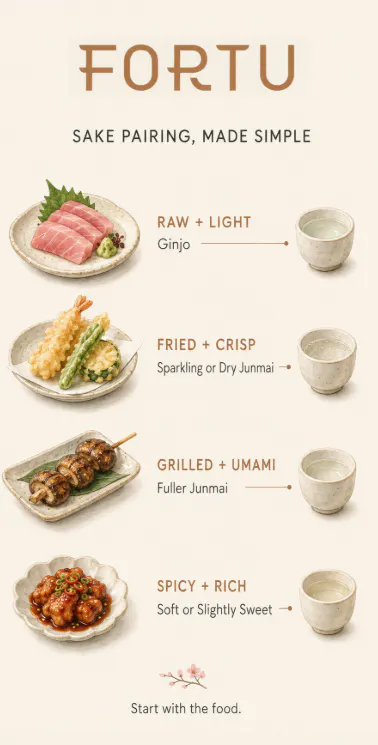
A light Junmai Ginjo or Ginjo often works well with sashimi because these styles usually feel clean and aromatic.
Try them with:
- Tuna
- Salmon
- Yellowtail
- Scallop
- White fish
For lighter fish, choose a more delicate sake.
For richer fish like salmon or tuna, you can move toward something with slightly more body.
This is one of the easiest places to understand sake food pairing. Match delicacy with delicacy.
What Sake Works With Sushi?
Sushi adds more elements than sashimi.
Now you have rice, vinegar, soy sauce, wasabi, fish, and sometimes richer toppings.
Dry sake often works well because it keeps the pairing fresh.
Junmai and Ginjo styles are both useful options.
For simple nigiri, stay lighter.
For richer rolls with sauces or fried toppings, choose something with more body.
You might also prefer a drier style if the sushi includes sweeter sauces.
The point is not to overpower the food.
You want the sake to sit beside it.
What Sake Goes With Fried Japanese Small Plates?
Fried food changes the game.
Tempura, karaage, or crispy bites bring fat, salt, and texture.
A fresh or sparkling sake works well here.
Sparkling sake adds brightness and helps clean up the richness between bites.
You can pair it with:
- Shrimp tempura
- Vegetable tempura
- Karaage
- Crispy rice
- Fried dumplings
Dry Junmai also works well.
The clean finish helps balance oily textures.
For sake food pairing with fried dishes, freshness matters more than sweetness.
How Do You Pair Sake With Grilled Foods?
Grilled dishes usually have deeper flavors.
Think smoke, char, soy, miso, or caramelization.
This is where richer sake styles start to make sense.
Junmai often works well with:
- Yakitori
- Grilled beef
- Miso-glazed fish
- Grilled mushrooms
- Pork dishes
These dishes need a sake with enough body to stay present.
A very light floral sake might disappear next to grilled meat.
That does not mean the pairing fails. It just feels less balanced.
Sometimes a warmer Junmai works even better because heating brings out more savory notes.
What Sake Pairs With Spicy Japanese Dishes?
Spicy food needs a little care.
Very dry, high-alcohol sake can make heat feel stronger.
A softer sake with some sweetness can help calm spicy flavors.
Try slightly fruity styles with dishes using:
- Chili oil
- Spicy mayo
- Hot miso
- Chili glaze
- Pepper-based sauces
Sparkling sake can also work because the sweetness and bubbles provide contrast.
If the dish has both spice and richness, look for something smooth rather than sharp.
This is where sake food pairing becomes less about matching flavors and more about managing intensity.
Should You Pair Sweet Sake With Savory Food?
Yes.
Sweet sake does not belong only with dessert.
A lightly sweet sake can work with salty, spicy, or rich foods.
The contrast can be pleasant.
For example, sweeter sake might pair well with:
- Spicy tuna
- Glazed pork
- Miso dishes
- Sweet soy sauces
- Rich fried food
The trick is balance.
If both the food and sake are heavily sweet, the pairing can feel too heavy.
Use sweetness to soften another strong flavor.
Does Sake Temperature Change the Pairing?
Yes.
Temperature changes aroma, texture, and how much you notice certain flavors.
Cold sake often feels:
- Cleaner
- Sharper
- More aromatic
- More refreshing
Warm sake often feels:
- Rounder
- Richer
- Softer
- More savory
Cold Ginjo works nicely with sashimi and lighter dishes.
Warm Junmai can work well with grilled food, mushrooms, or richer sauces.
There is no one correct temperature for every bottle.
Some styles perform better chilled. Others open up when warmed.
This is one reason sake food pairing has a little flexibility.
How Do You Match Sake With Umami-Rich Small Plates?
Umami appears in many Japanese ingredients.
Soy sauce, mushrooms, miso, seaweed, grilled meat, and aged ingredients all bring savory depth.
Junmai sake often handles umami-rich dishes well.
Its fuller body can match dishes like:
- Miso-glazed fish
- Mushroom skewers
- Grilled eggplant
- Beef dishes
- Soy-based small plates
A light aromatic sake might feel too delicate here.
A fuller sake gives the food something to work with.
What Is the Easiest Sake Pairing Rule for Beginners?
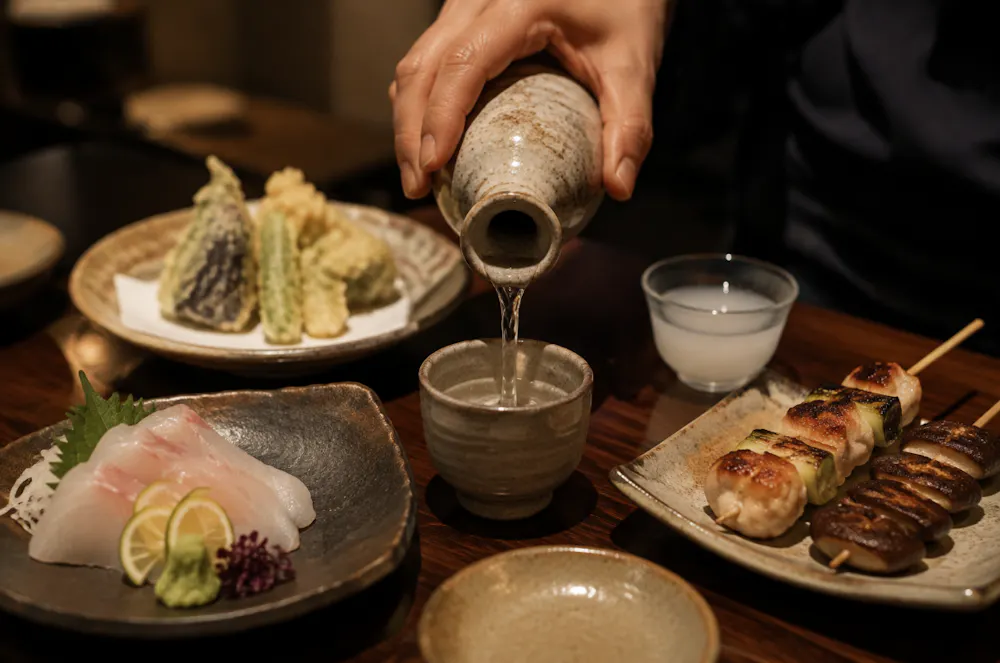
Start with weight.
Light food, light sake.
Rich food, richer sake.
Then think about flavor.
If the dish is spicy, use something softer.
If it is fried, look for freshness.
If it is grilled, choose more body.
If it is delicate, stay restrained.
That is enough for most first pairings.
You do not need to memorize every sake categorevery sake categoryy before ordering.
At FORTU, the goal is to make the meal more enjoyable, not turn dinner into a test.
FAQs
What sake is best with sushi?
Dry Junmai, Ginjo, and Junmai Ginjo styles often work well with sushi. Lighter styles fit delicate fish, while fuller options work with richer rolls.
What sake goes with tempura?
Sparkling sake and dry Junmai both pair well with tempura because they help balance fried textures.
Is warm sake better with grilled food?
Warm Junmai often pairs well with grilled meat, mushrooms, and savory dishes. The warmer temperature can bring out richer flavors.
What sake works with spicy food?
Softer or slightly sweet sake can help balance spicy dishes. Sparkling sake can also work well.
Can one sake work with several small plates?
Yes. A balanced Junmai or Junmai Ginjo often works across several dishes, especially when the meal includes seafood, vegetables, and grilled items.
Do I need expensive sake for good food pairing?
No. Style and balance matter more than price.
Start With the Food
Sake food pairing gets easier once you stop searching for one perfect bottle.
Look at what is on the table.
Is the dish light or rich?
Raw or grilled?
Spicy or mild?
Fried or delicate?
Then choose a sake that supports those flavors.
At FORTU, Japanese small plates give you a good reason to try several combinations. One pairing might feel crisp and clean. Another might bring out deeper savory flavors.
That is part of the fun.
You taste, compare, and figure out what works for you.
-
Japanese Milk Bread With Yuzu Butter: Starting a Shared Meal at Fortu
-
Private Dining in St. Pete: Planning a Group Event Downtown
-
Downtown St. Pete Restaurants: Planning a Memorable Dinner Out
-
Miso Black Cod at Fortu: A Downtown St. Pete Signature
-
Japanese Restaurant in St. Pete: Fortu's Japanese-Inspired Shared Plates
-
Date Night in St. Pete: Planning a Downtown Dinner for Two